Canopy Pruning in Allentown, PA
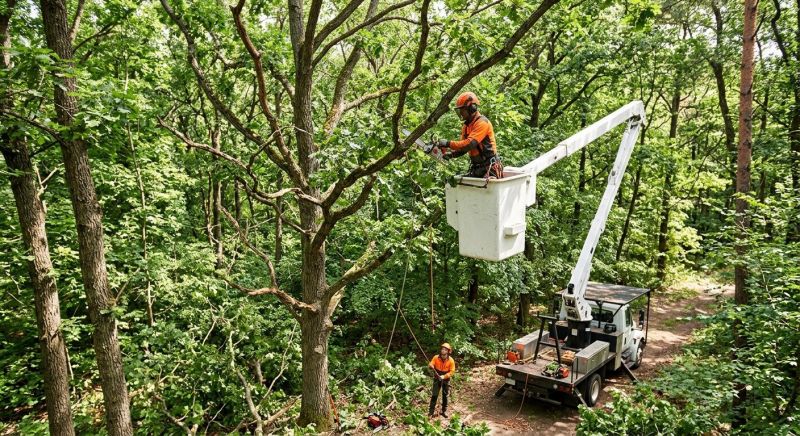
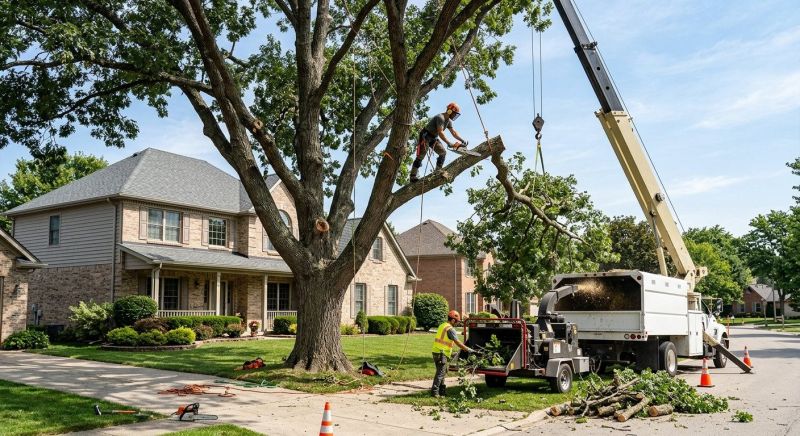
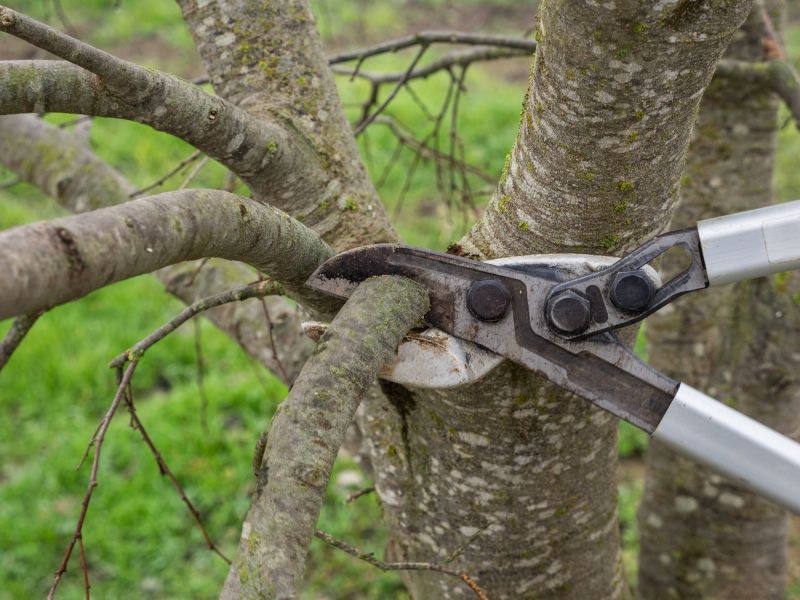
Canopy pruning services involve carefully trimming and shaping the upper branches and foliage of trees to promote healthy growth, improve appearance, and ensure safety. This type of pruning is often requested for mature trees that have overgrown or developed uneven canopies, as well as for trees that may pose a risk to nearby structures or power lines. Homeowners typically seek canopy pruning to maintain the aesthetic appeal of their landscape, prevent potential storm damage, and support the overall health of their trees by removing dead, diseased, or crossing branches.
Before requesting canopy pruning, property owners should consider the type and age of their trees, as well as any specific goals for their landscape. Understanding the scope of the project, such as whether the focus is on shaping, thinning, or removing certain branches, can help ensure the work aligns with expectations. It is also helpful to identify any sensitive areas around the property, like power lines or buildings, to facilitate proper planning and safety measures during the pruning process.
Many property owners in Allentown, PA look into Canopy Pruning for repairs, replacements, upgrades, and appearance-related improvements.
Benefits Of Canopy Pruning
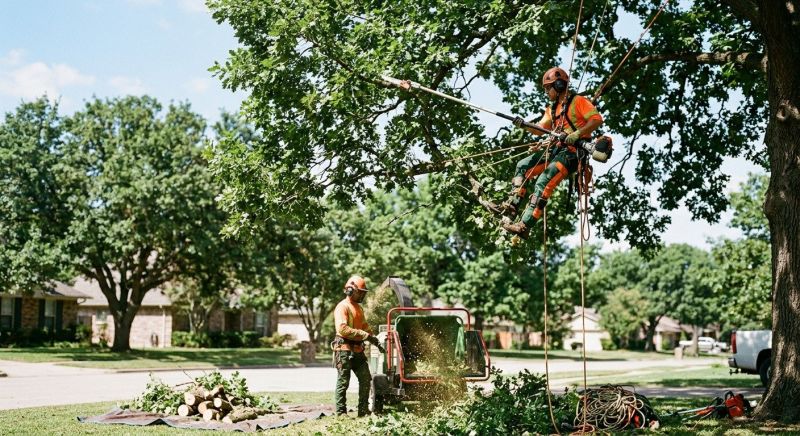
Proper canopy pruning promotes healthy growth and enhances the appearance of trees in allentown neighborhoods.

Common Canopy Pruning Techniques
Techniques include thinning, crown reduction, and shaping to improve tree structure and safety.
Signs You Need Canopy Pruning
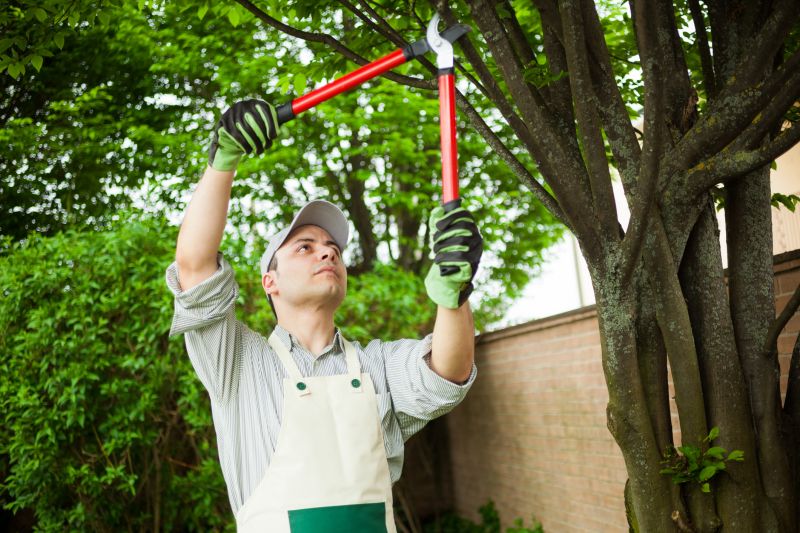
Overgrown branches, deadwood, or potential hazards indicate that canopy pruning can help maintain safety and health.
Canopy Pruning in Allentown, PA

Canopy pruning services involve carefully trimming and shaping the upper branches and foliage of trees to promote healthy growth, improve appearance, and ensure safety. This type of pruning is often requested for mature trees that have overgrown or developed uneven canopies, as well as for trees that may pose a risk to nearby structures or power lines. Homeowners typically seek canopy pruning to maintain the aesthetic appeal of their landscape, prevent potential storm damage, and support the overall health of their trees by removing dead, diseased, or crossing branches.
Before requesting canopy pruning, property owners should consider the type and age of their trees, as well as any specific goals for their landscape. Understanding the scope of the project, such as whether the focus is on shaping, thinning, or removing certain branches, can help ensure the work aligns with expectations. It is also helpful to identify any sensitive areas around the property, like power lines or buildings, to facilitate proper planning and safety measures during the pruning process.
Many property owners in Allentown, PA look into Canopy Pruning for repairs, replacements, upgrades, and appearance-related improvements.
Common Canopy Pruning Jobs
Canopy trimming - shaping the canopy for improved tree health and appearance.
Dead branch removal - eliminating hazardous or diseased limbs to prevent damage.
Structural pruning - guiding branch growth to maintain strong, balanced canopies.
Thinning services - reducing canopy density to increase sunlight and airflow.
Formative pruning - shaping young trees to establish healthy growth patterns.
Overgrown canopy reduction - restoring balance and clearance for safety and aesthetics.
Canopy Pruning Questions
What is canopy pruning? Canopy pruning involves selectively trimming branches to improve tree structure, health, and appearance.
Why should property owners consider canopy pruning? It helps maintain tree safety, promotes healthy growth, and enhances the visual appeal of the landscape.
What types of trees benefit from canopy pruning? Most deciduous and evergreen trees can benefit, especially those with dense or overgrown canopies.
When is the best time to schedule canopy pruning? The ideal time is during late winter or early spring before new growth begins.
Request Canopy Pruning in Allentown, PA
Use the quote form on this page to share the basics of your project and request more information for the type of work you need.